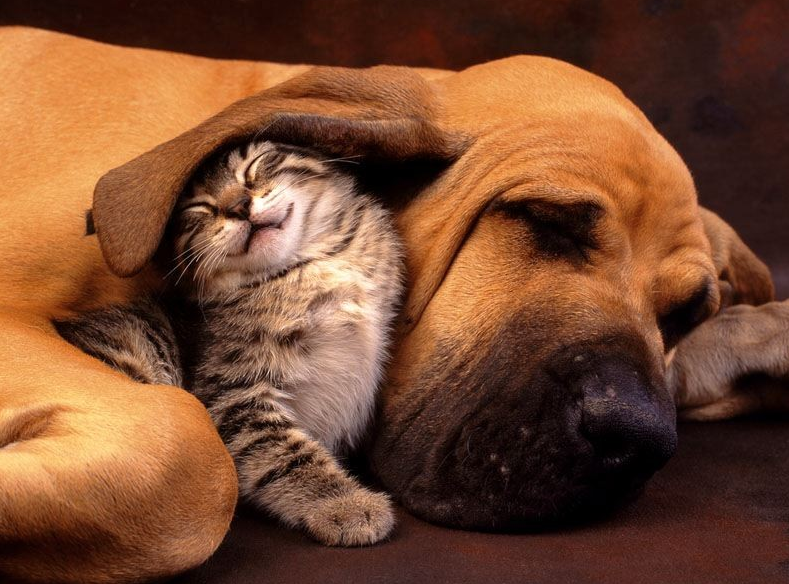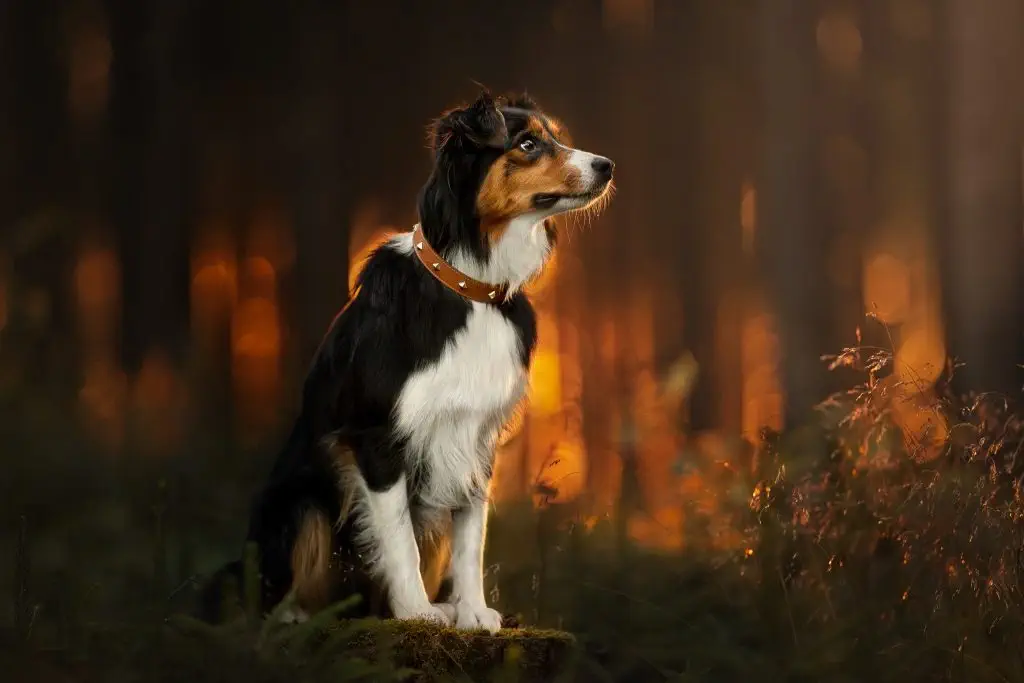
Dog owners and social media regulars around Vine Grove, especially shelter helpers and dog photography enthusiasts, know the frustration of trying to grab Instagram dog photos that match the real magic of a wag, a head tilt, or a goofy sprint. The core tension is simple: dogs move fast, lighting is rarely ideal, and pet photo challenges often flatten the very thing everyone loves most, capturing pet personality. When pet video creation turns into blurry clips or stiff poses, it can feel like the camera keeps missing the bond that’s obvious in real life. With a few grounded shifts in approach, everyday moments can start looking like the memories they are.
Quick Takeaways for Better Dog Photos and Videos
- Use good lighting to highlight your dog’s features and keep images clear.
- Choose flattering camera angles to capture personality and avoid awkward distortion.
- Pick comfortable, familiar locations so your dog stays relaxed on camera.
- Use simple editing software to polish photos and videos without overdoing it.
- Use attention-getters and patience to capture natural moments you will love.
Polish Dog Clips With AI-Powered Video Enhancements
Once you’ve nailed the quick fixes, a little AI help can make everyday dog clips feel more intentional without needing editing experience. AI video enhancement tools can quickly boost the look of your footage, helping a simple clip of your pup trotting across the yard feel more polished, shareable, and “done.” With an AI video generator, you can turn your clip of your dog into dynamic and engaging Instagram content by adding cinematic b-roll effects, smooth camera motion, and stylized visuals, all from a simple text prompt or existing footage. If you want a concrete option to explore, Adobe Firefly’s AI video generator is one place to start.
A Repeatable Setup for Sharp Dog Photos and Video
Your goal is a simple, repeatable flow that gets crisp photos and steady clips you can share to support local adoption stories and volunteer outreach. Consistent, good-looking pet media helps foster and shelter dogs stand out, making it easier for community members to connect, show up, and help.
- Lock in a stable camera setup
Start with an adjustable tripod at your dog’s eye level so the frame stays steady and flattering. Add a remote shutter or phone timer to avoid camera shake and free your hands for cues and treats. Do a quick test shot to confirm focus is landing on the eyes, not the background. - Choose natural light on purpose
Place your dog near a bright window, open shade outside, or a doorway with soft light so fur texture and eye shine show up clearly. Look for subtle indirect light when you want even, gentle illumination and fewer harsh shadows. If the light is patchy, move a few feet until the face is evenly lit. - Compose for a clean, scroll-stopping frame
Simplify the background by stepping left or right until distractions disappear behind your subject. Keep the eyes near the upper third of the frame, then leave a little space in front of the nose so your dog feels like they have “room” to move. For video, hold the same framing for 5 to 10 seconds to capture calm, usable moments. - Use treats and cues to earn attention
Hold a treat right next to the lens, then reward immediately when your dog looks toward the camera to build a clear pattern. Short, familiar cues work well because dogs can recognize more than 150 words, so you can use the same simple phrase each session. Keep it upbeat and end early so your dog stays eager next time. - Capture the safe shots, then one “personality” take
First, grab a sharp head-and-shoulders photo for adoption profiles or volunteer spotlights. Next, record one short clip that shows temperament like a gentle tail wag, a relaxed sit, or an easy leash walk. Review immediately and reshoot once if needed while your setup and light are still dialed in.
Small Habits for Sharper Dog Photos All Week
When you show up with the same simple rhythm, your dog relaxes faster and your skills improve without marathon shoots. These habits also help local adoption and volunteer supporters create reliable, share-ready media that highlights each dog’s best self over time.
Five-Minute Media Reset
- What it is: Wipe the lens, clear storage, and open your camera app before sessions.
- How often: Weekly and before events.
- Why it helps: You avoid glitches and capture more usable moments in less time.
Treat-Then-Release Pattern
- What it is: Ask for one cue, reward, then let your dog disengage briefly.
- How often: Each session.
- Why it helps: It builds trust and reduces fidgeting in photos and clips.
Calm-First Enrichment Walk
- What it is: Do a short sniff walk because pets need mental engagement.
- How often: Daily or before filming.
- Why it helps: A satisfied dog offers softer eyes and steadier body language.
One-Spot Background Check
- What it is: Stand in one place and remove three distractions from the frame.
- How often: Every session.
- Why it helps: Cleaner scenes make adoption profiles easier to scan.
Break-and-Return Rule
- What it is: Remember to take a break if your dog looks stressed.
- How often: As needed.
- Why it helps: Ending on calm protects your progress for next time.
Turning Everyday Moments Into Photos That Show Your Dog
It’s easy to end up with blurry shots or stiff poses that miss what makes a dog feel like your dog. A calm, consistency-first mindset, built on patience, trust, and watching for natural moments, keeps enjoying canine photography while capturing pet personality. Over time, those small habits lead to clearer photos and videos that better reflect celebrating pet uniqueness, not just perfect lighting. The best dog photos don’t chase perfection, they capture personality. Share one favorite clip or photo this week with a local rescue, shelter page, or neighbor group around Vine Grove to start sharing pet media with the community. When more people see these stories, it strengthens local support for animal care and the bonds that keep pets thriving.